
Japanese silicone food covers are rapidly gaining popularity for their innovative design and practical applications in modern kitchens. These versatile covers, crafted from high-quality, food-grade silicone, offer a sustainable and convenient alternative to traditional plastic wrap. Their unique properties, from superior durability to temperature resistance, make them ideal for various culinary tasks.
This in-depth exploration delves into the intricacies of Japanese silicone food covers, examining their diverse applications, design features, market analysis, and environmental impact. From detailed comparisons with other food coverings to insights into customer reviews and future trends, this comprehensive guide provides a thorough understanding of this burgeoning market segment.
Product Overview
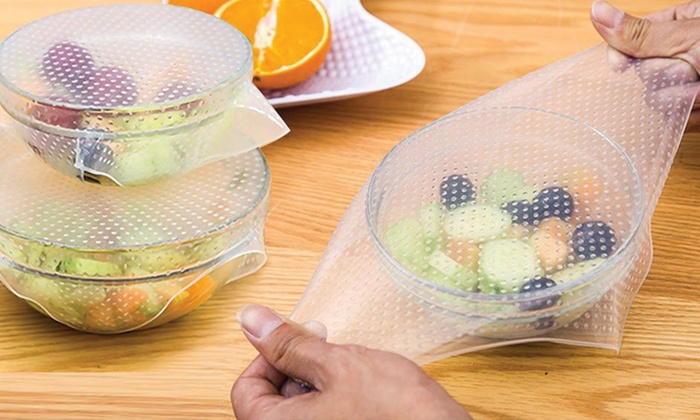
Japanese silicone food covers, a rising star in the kitchenware market, are revolutionizing the way consumers approach food preservation and presentation. Their versatility, durability, and aesthetic appeal are attracting a broad consumer base, particularly those seeking convenient, eco-friendly, and stylish solutions for their culinary needs.Japanese silicone food covers are meticulously crafted from high-quality, food-grade silicone, offering exceptional flexibility and resilience.
This material choice is crucial for maintaining both the safety and aesthetic integrity of the product. The manufacturing process typically involves precise molding and curing techniques to ensure a consistent and high-quality final product.
Materials and Manufacturing
Japanese silicone food covers are primarily constructed from food-grade silicone, a non-toxic, durable polymer. This material’s inherent flexibility allows for easy stretching and conforming to various shapes and sizes of containers. The manufacturing process often involves precise injection molding, ensuring consistent thickness and quality across all products. This careful manufacturing process minimizes the risk of imperfections and maintains the product’s integrity.
Sizes, Shapes, and Styles
The availability of Japanese silicone food covers extends beyond basic rectangular shapes. They are available in a diverse array of sizes, catering to a wide range of storage needs. Common shapes include round, square, and even custom-designed shapes, allowing for adaptability to different container types. Some products incorporate innovative features like integrated handles or built-in venting, increasing usability and practicality.
A variety of styles and designs cater to different aesthetic preferences, from minimalist designs to those featuring intricate patterns.
Popular Designs and Colors
Popular designs often incorporate subtle patterns, textures, or contrasting colors to add a touch of elegance to kitchenware. Colors range from classic neutral tones like white and gray to bolder hues like vibrant blues and reds. Transparent options allow for clear visibility of the food inside, which can be particularly useful for meal planning or for adding a touch of modern aesthetics to the kitchen.
Furthermore, Japanese companies often collaborate with designers to create exclusive and unique designs.
Features and Benefits
Japanese silicone food covers are renowned for their exceptional durability and resilience. They are resistant to tearing, stretching, and warping, making them ideal for long-term use. Their flexibility allows for easy storage and portability, making them an excellent choice for travelers or individuals with limited kitchen space. These covers are also microwave and dishwasher safe, further enhancing their convenience.
The non-stick properties facilitate easy cleaning and prevent food from sticking to the surface.
Target Audience
The target audience for Japanese silicone food covers spans various demographics and lifestyle preferences. These products appeal to busy professionals, young families, and individuals prioritizing convenience and practicality in their daily routines. Health-conscious consumers appreciate the non-toxic and eco-friendly nature of silicone. Furthermore, the aesthetically pleasing designs attract those seeking stylish kitchenware that enhances the overall culinary experience.
Applications and Usage
Japanese silicone food covers offer a versatile and innovative approach to food preservation and preparation in the kitchen. Their flexibility and heat resistance make them ideal for a wide range of culinary tasks, contrasting with the limitations of traditional materials. This section explores the diverse applications of these covers, highlighting their advantages over conventional options and providing practical guidance on their use.
Diverse Kitchen Applications
Silicone food covers transcend the typical use of plastic wrap or aluminum foil. Their adaptability extends beyond simple food coverage, encompassing various aspects of kitchen organization and efficiency. They are particularly effective for storing leftovers, maintaining the freshness of prepared meals, and even protecting delicate ingredients like fruits and vegetables.
Comparison with Traditional Covers
Traditional food covers often suffer from limitations in terms of heat resistance, flexibility, and overall usability. For instance, plastic wrap can be easily torn or melt under high temperatures, while aluminum foil can be challenging to clean and store. Silicone covers, conversely, are highly durable and resistant to temperatures ranging from the refrigerator to the oven, providing superior versatility.
Proper Usage for Different Food Types
The proper application of silicone food covers depends on the specific food item. For instance, when covering leftovers, a tight seal is essential to prevent the growth of bacteria and maintain freshness. Likewise, when covering fruits and vegetables, a snug fit ensures moisture retention and prevents them from bruising. Prepared meals benefit from larger, square-shaped covers for easy transportation and portion control.
Advantages Over Other Materials
Silicone’s inherent properties offer several advantages over traditional materials. Its non-stick surface facilitates easy cleanup, while its flexibility allows for a snug fit around various food containers and shapes. Furthermore, its heat resistance enables use in the microwave, oven, and refrigerator, making it a truly versatile kitchen tool.
Recipes Benefiting from Silicone Covers
Several recipes can be significantly enhanced with the use of Japanese silicone food covers. For instance, dishes requiring steaming or baking benefit from the ability to retain moisture and flavor. The non-stick nature of silicone is also ideal for preventing food from sticking to the bottom of pans during cooking.
Food Coverage Chart
| Food Item | Cover Size/Shape | Benefits |
|---|---|---|
| Leftovers | Round, Rectangular | Preserves freshness, prevents spills, easy storage |
| Prepared Meals | Square, Large | Easy transport, portion control, maintains temperature |
| Fruits/Vegetables | Various shapes | Maintains freshness, prevents bruising, ideal for storage |
| Soups/Stews | Large, Rectangular | Easy serving, retains flavor and moisture |
| Baked Goods | Round, Rectangular | Maintains moisture, prevents drying out, perfect for transport |
Design and Features
Japanese silicone food covers, a burgeoning trend in kitchenware, are more than just practical tools; they embody a meticulous blend of aesthetics and functionality. Their design choices often reflect a commitment to both visual appeal and user-friendly features. This careful consideration translates to a superior user experience.The unique designs of these covers often incorporate subtle curves and patterns, contributing to their appealing aesthetic.
Beyond the visual aspect, the practical features are equally noteworthy, with a strong emphasis on durability, ease of cleaning, and temperature resistance. These features often contribute to their popularity amongst consumers seeking both style and practicality in their kitchenware.
Material and Durability
The use of food-grade silicone is a defining characteristic of Japanese silicone food covers. This material, known for its flexibility and resilience, is crucial for the longevity and safety of the product. The FDA compliance ensures that the silicone is safe for direct contact with food. The durability of the silicone is highlighted by its resistance to tearing, making it suitable for everyday use.
The material’s ability to withstand repeated use and washing contributes to its long lifespan.
Temperature Resistance
Japanese silicone food covers excel in their temperature resistance, making them suitable for a wide range of applications. The covers are typically safe for use in refrigerators and ovens, expanding their use beyond simple food storage. This feature is crucial for preserving food freshness while offering a convenient option for meal preparation and reheating. A specific example of this is the ability to safely store cooked meals in the refrigerator, ensuring freshness for later consumption.
Cleaning and Maintenance
The ease of cleaning is another key feature of these silicone food covers. Their smooth surface prevents food particles from clinging, simplifying the cleaning process. The majority of these covers are dishwasher safe, further enhancing their convenience. This factor is a significant advantage for busy individuals who value time-saving kitchen solutions.
Key Features Comparison
| Feature | Description | Example |
|---|---|---|
| Material | Food-grade silicone, ensuring safety and flexibility. | FDA compliant, guaranteeing safe food contact. |
| Durability | Resistant to tearing and stretching, maintaining shape and form over time. | Dishwasher safe, minimizing the need for manual scrubbing. |
| Temperature Range | Suitable for use in refrigerators and ovens, offering versatility in food preparation and storage. | -40°C to +230°C, ensuring safe use across a broad temperature spectrum. |
Market Analysis
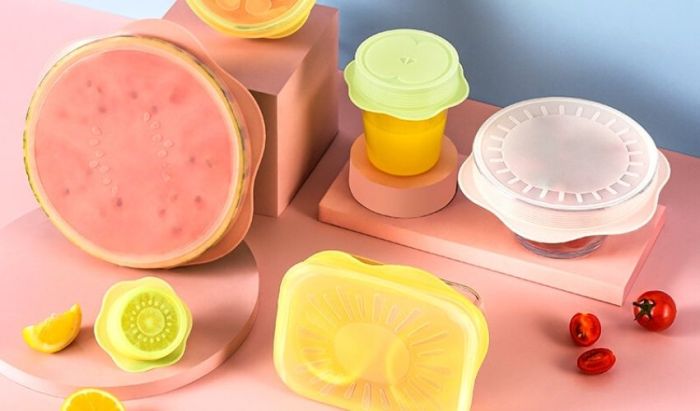
Japanese silicone food covers are experiencing rapid growth, driven by a rising consumer preference for eco-friendly and convenient food storage solutions. This burgeoning market segment is attracting significant investment and strategic partnerships, positioning the products for sustained success in the coming years.
Target Market
The target market for Japanese silicone food covers encompasses a diverse range of consumers, including environmentally conscious individuals, busy professionals, and families seeking practical and aesthetic storage solutions. Millennials and Gen Z, known for their active lifestyles and interest in sustainable products, represent a significant portion of this market. The appeal extends to both urban dwellers with limited kitchen space and rural homeowners who value practicality and durability.
This broad appeal makes Japanese silicone food covers a versatile product suitable for a wide demographic.
Consumer Trends and Preferences
Consumers are increasingly seeking out sustainable alternatives to traditional plastic wrap and disposable containers. The rising popularity of reusable and eco-friendly products reflects a broader global trend towards environmental consciousness. Consumers prioritize convenience, durability, and ease of use, driving demand for products that minimize waste and maximize efficiency in food storage. Aesthetic appeal also plays a role, as evidenced by the increasing interest in products with modern and minimalist designs.
Competitive Landscape
The competitive landscape for Japanese silicone food covers is characterized by a mix of established players and emerging brands. Competition comes from both domestic and international companies, each vying for market share with unique product offerings and marketing strategies. Factors such as product quality, design innovation, pricing strategies, and marketing campaigns influence brand positioning and consumer perception. Direct-to-consumer sales channels and collaborations with food bloggers and influencers are becoming increasingly important strategies in this competitive space.
Market Share
Precise market share data for specific Japanese silicone food cover brands is not publicly available. However, established players in the food storage industry, both international and domestic, are likely to hold a significant portion of the market. New entrants are also emerging with innovative designs and marketing strategies, indicating a dynamic and competitive environment. Market share analysis would benefit from more comprehensive data, which is currently lacking.
Pricing Strategies
Pricing strategies for Japanese silicone food covers vary based on brand, features, and target market. Some brands focus on premium pricing for high-quality materials and advanced designs, while others adopt a more competitive pricing model to attract a wider customer base. Price points often reflect the perceived value proposition of the product, taking into account factors like durability, versatility, and aesthetic appeal.
Furthermore, pricing strategies can also influence the overall perceived quality of the brand.
Marketing Approaches
Marketing strategies for Japanese silicone food covers often highlight the product’s eco-friendly nature, durability, and convenience. Digital marketing plays a crucial role, leveraging social media platforms, influencer collaborations, and online marketplaces to reach target consumers. Product demonstrations and user reviews are crucial in building trust and credibility. Additionally, strategic partnerships with retailers and online platforms can significantly expand the product’s reach.
These marketing approaches reflect a shift towards more personalized and targeted communication strategies.
Maintenance and Care
Japanese silicone food covers, lauded for their versatility and hygiene, demand a thoughtful approach to maintenance for optimal longevity. Proper care ensures these covers remain a reliable tool in the kitchen, protecting food and preserving freshness. Ignoring these guidelines can lead to premature wear and tear, potentially compromising the material’s integrity and impacting its lifespan.Careful cleaning and storage practices are paramount in maximizing the lifespan of these silicone covers.
A consistent routine of cleaning and storage not only maintains the aesthetic appeal but also preserves the product’s structural integrity. By adhering to these simple yet crucial steps, users can guarantee the long-term effectiveness and enjoyment of their silicone food covers.
Cleaning Procedures
Maintaining the pristine condition of silicone food covers requires a simple yet effective cleaning routine. Regular cleaning prevents the accumulation of food particles, which can lead to unpleasant odors and potentially harbor bacteria. This proactive approach to hygiene ensures that the covers remain safe and functional throughout their lifespan.
- Warm, soapy water is typically sufficient for most daily cleanings. Mild dish soap or a specialized silicone cleaner can be used, ensuring the solution doesn’t contain harsh chemicals or abrasives that might damage the material.
- For stubborn stains or residue, a soft-bristled brush can be used to gently scrub the surface. Avoid using abrasive sponges or scouring pads, which can scratch the silicone.
- Thoroughly rinse the cover with clean water to remove all traces of soap and food particles. Ensure the cover is completely dry before storing to prevent the growth of mold or mildew.
Avoiding Damage and Deterioration
Several factors can lead to premature damage or deterioration of silicone food covers. Understanding these factors allows users to adopt preventive measures, safeguarding the quality and integrity of the product.
- Extreme temperatures, such as prolonged exposure to direct sunlight or high-heat ovens, can cause warping or discoloration of the silicone. It’s advisable to avoid exposing the covers to temperatures exceeding 230°C.
- Sharp objects or abrasive materials should be avoided when cleaning or handling the covers. Using a soft cloth or sponge can prevent scratches or other physical damage.
- Prolonged exposure to harsh chemicals, such as bleach or strong detergents, can compromise the material’s integrity. Stick to mild cleaning solutions.
Safety Precautions
Ensuring the safety of food and the longevity of the silicone covers is paramount. Understanding the precautions prevents potential issues.
- Silicone is generally considered safe for food contact, but it’s crucial to use the covers with food that is suitable for this type of covering. Always check the manufacturer’s recommendations.
- Avoid using the covers for items that might be corrosive or react with the silicone. Consult the product’s documentation if uncertain about compatibility.
- Do not use the covers on surfaces that can reach extremely high temperatures. This is particularly important in ovens or on hot plates.
Product Longevity
The longevity of silicone food covers is directly correlated with the care and handling they receive. Proper maintenance significantly extends their useful life, minimizing replacements and maximizing return on investment.
- Proper cleaning and storage techniques, as Artikeld in previous sections, are essential for maintaining the quality of the silicone. The expected lifespan can be greatly extended by following these guidelines.
- Regular inspection for any signs of damage or deterioration is crucial. Early detection of issues allows for timely intervention, preventing significant problems later.
- Examples of proper maintenance extending the lifespan include consistent cleaning, avoidance of high heat, and storage in a cool, dry place. These simple practices will ensure that the silicone cover remains in optimal condition.
Storage Practices
Appropriate storage practices are essential to maintaining the condition of silicone food covers. Proper storage prevents damage and ensures longevity.
- Store the covers in a cool, dry place away from direct sunlight or extreme temperatures. This minimizes the risk of warping or discoloration.
- Avoid stacking the covers heavily, as this can cause deformation. Storing them individually or in a dedicated storage container can prevent this issue.
- Consider using a protective storage case or bag to shield the covers from dust, debris, or other contaminants that might accumulate during storage.
Comparison with Other Products
Japanese silicone food covers offer a compelling alternative to traditional food storage solutions. Understanding their strengths and weaknesses in comparison to plastic wrap and beeswax wraps is crucial for consumers seeking sustainable and efficient food preservation. This comparison clarifies the unique value proposition of silicone covers.Silicone food covers are gaining popularity due to their superior durability and reusability compared to their counterparts.
Their long-term practicality, coupled with ease of use, sets them apart in the marketplace.
Durability Comparison
Japanese silicone food covers are renowned for their exceptional durability. This resilience stems from the material’s inherent resistance to tearing and stretching. Repeated use and exposure to varying temperatures do not diminish their structural integrity. In contrast, plastic wrap is prone to tearing, stretching, and often becomes unusable after a few uses. Beeswax wraps, while more durable than plastic, can still experience damage from prolonged use or exposure to harsh chemicals.
Reusability Comparison
Silicone food covers are undeniably reusable, eliminating the need for single-use plastic wrap. Their durability ensures longevity, making them an environmentally conscious choice. Plastic wrap, conversely, is a disposable product, contributing to plastic waste. Beeswax wraps, though reusable, require careful handling and cleaning, which can influence their longevity compared to silicone.
Comparison Table
| Feature | Japanese Silicone | Plastic Wrap | Beeswax Wraps |
|---|---|---|---|
| Durability | High; resistant to tearing and stretching, maintaining shape and integrity over repeated use. | Low; prone to tearing and stretching, often becoming unusable after a few uses. | Medium; can withstand moderate use but can experience damage with prolonged use or exposure to harsh chemicals. |
| Reusability | Yes; designed for repeated use, minimizing waste and extending product lifespan. | No; designed for single use, contributing to plastic waste. | Yes; reusable, but requires careful handling and cleaning. |
| Temperature Resistance | High; withstands a wide range of temperatures, suitable for both refrigeration and heating. | Limited; not suitable for high temperatures or direct contact with heat sources. | Limited; suitable for refrigeration but generally not recommended for heating. |
| Cost | Higher initial cost compared to plastic wrap, but lower long-term cost due to reusability. | Low initial cost but high long-term cost due to frequent replacement. | Medium initial cost, but reusable, reducing long-term cost. |
Material and Environmental Impact
Silicone is a synthetic polymer. Its non-porous nature makes it highly resistant to food contamination. Plastic wrap is primarily derived from petroleum, a non-renewable resource. Beeswax wraps are made from natural materials, but the sourcing and production process can vary, affecting their overall environmental impact. The environmental impact of silicone covers depends on the production processes and waste management practices of the manufacturers.
Plastic wrap’s significant contribution to plastic waste is well-documented. Beeswax wraps, while reusable, require specific handling and cleaning methods to maintain their effectiveness.
Environmental Impact

Japanese silicone food covers offer a compelling alternative to disposable plastic wrap, significantly reducing environmental impact. Their reusability minimizes waste generation, a critical factor in today’s global sustainability push. This shift towards reusable solutions is not just about reducing landfill burden; it also has implications for the broader ecosystem, from resource conservation to pollution mitigation.Silicone, the material used in these covers, presents a unique sustainability profile compared to other options.
Its durability, longevity, and inherent recyclability contribute to a more circular economy. The focus on material sourcing and manufacturing processes further enhances the eco-friendly credentials of these products.
Reduced Waste and Landfill Burden
The reusability of silicone food covers dramatically reduces the volume of waste sent to landfills. Disposable alternatives, like plastic wrap, contribute significantly to landfill waste, requiring substantial land area and resources for disposal. The reduced waste stream translates into a smaller carbon footprint from waste management and processing. For example, a household using reusable silicone covers instead of disposable plastic wrap over a year could potentially reduce landfill waste by several pounds.
Sustainable Manufacturing Practices
The manufacturing processes employed in creating silicone food covers play a pivotal role in their overall environmental impact. The sourcing of raw materials, energy consumption during production, and waste management strategies are key considerations. Many manufacturers are adopting sustainable practices, such as using recycled materials, optimizing energy use, and minimizing water consumption during the manufacturing process. These measures demonstrate a commitment to minimizing environmental damage throughout the production cycle.
For instance, some manufacturers are using renewable energy sources to power their factories, further reducing their carbon footprint.
Recyclability of Silicone
Silicone, a polymer, is inherently recyclable. This means that at the end of the product’s lifespan, the silicone can be collected, processed, and reused to create new products. This process conserves resources and reduces the need for virgin materials. Proper recycling infrastructure is crucial to ensure the effective recycling of silicone. This is where partnerships with recycling facilities and clear consumer guidelines play a critical role.
Furthermore, the design of silicone food covers often incorporates features that make them easier to recycle, such as simplified components and standardized materials.
Customer Reviews and Feedback
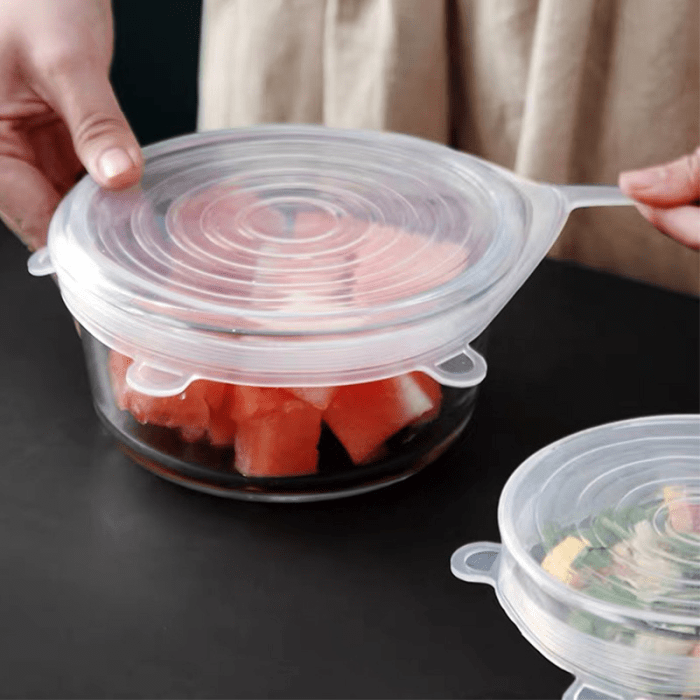
Japanese silicone food covers are gaining popularity, and customer feedback provides crucial insights into their strengths and weaknesses. Understanding the common themes and concerns allows manufacturers to refine the product and enhance user experience. This section examines customer reviews and feedback, categorized for clarity.
Common Themes in Customer Reviews
Customer reviews consistently highlight the practicality and versatility of Japanese silicone food covers. Positive feedback emphasizes the ease of use, durability, and aesthetic appeal. The ability to effectively cover various food types and storage containers is often praised. However, some concerns arise regarding specific aspects of the product.
Positive Feedback Categories
- Ease of Use and Cleaning: Customers frequently commend the ease of cleaning and the non-stick nature of the silicone, citing quick and effortless cleanup as a major advantage. This streamlined process reduces the time and effort associated with food preparation and storage.
- Durability and Longevity: Reviews consistently praise the resilience of the silicone material, emphasizing its resistance to tearing, stretching, and damage. The long-lasting quality translates to significant cost savings in the long run, avoiding frequent replacements.
- Versatility and Design: The adaptable nature of the covers is highlighted. Customers appreciate their ability to fit various container shapes and sizes, accommodating different meal prepping and storage needs. The sleek and modern design is often noted as a key factor in its appeal.
Negative Feedback Categories
- Size and Fit Issues: Some customers have reported difficulty in finding a cover that perfectly fits their containers, leading to slippage or inadequate coverage. This issue suggests a need for a wider range of sizes and shapes to accommodate various storage solutions.
- Odor Absorption: A few reviews mention the potential for strong-smelling foods to leave an odor on the silicone. While the material is non-porous, prolonged exposure to certain foods may result in the absorption of aromas. This concern could be addressed by including washing instructions for specific food types.
- Temperature Sensitivity: While silicone is generally temperature-resistant, a few reviews highlight concerns about the material’s behavior in extreme temperatures. The material might not maintain its shape or flexibility under very high or low temperatures, suggesting potential limitations in extreme circumstances.
Specific Concerns and Solutions
| Concern | Potential Solution |
|---|---|
| Difficulty finding a perfect fit | Offering a wider range of sizes and shapes for various container types. Including detailed size charts on the product description and packaging can help consumers select the appropriate cover. |
| Odor absorption | Highlighting the need for thorough cleaning, especially after using the covers for strong-smelling foods. Using mild dish soap and hot water can help reduce odor absorption. |
| Temperature sensitivity | Clearly stating the temperature range of the silicone in the product description. Advising users on appropriate handling and storage methods, such as avoiding direct contact with extremely hot or cold surfaces, can address this concern. |
Future Trends and Innovations
Japanese silicone food covers, enjoying a surge in popularity, are poised for further innovation. Material advancements, coupled with evolving design aesthetics and the integration of emerging technologies, are set to reshape the market. These advancements promise enhanced functionality, improved user experience, and potentially lower environmental impact.The next generation of silicone food covers will likely prioritize sustainability, enhanced functionality, and user-centric design.
This evolution is driven by consumer demand for eco-friendly products and features that simplify kitchen tasks.
Material Advancements
Silicone materials are already highly versatile, but future trends will likely focus on enhanced durability, temperature resistance, and improved hygiene. The exploration of bio-based silicones, for example, could lead to more environmentally friendly options. Moreover, incorporating antimicrobial agents directly into the silicone matrix could significantly improve the hygiene and safety of food storage. Examples include incorporating silver nanoparticles or other naturally occurring antimicrobial compounds.
Design Innovations
Aesthetic appeal and functional improvements are key drivers in the evolution of silicone food covers. A trend toward modular designs, allowing users to customize the shape and size of their covers, is expected. Smart features, such as integrated temperature sensors or leak-proof seals, are also possible, potentially leading to more sophisticated and intelligent kitchen tools.
Integration of Emerging Technologies
The potential for incorporating technologies like IoT (Internet of Things) into silicone food covers presents exciting possibilities. Imagine covers that monitor food freshness through sensors, alert users to optimal storage temperatures, or even automatically adjust their tightness based on the type of food stored. Such advancements could offer a more comprehensive and personalized food storage experience. The integration of advanced materials like conductive silicone with temperature-sensitive coatings could enable dynamic temperature regulation within the food cover itself.
This innovation could have a huge impact on the preservation of delicate foods like sushi, where temperature control is crucial.
Sustainability Initiatives
Growing environmental consciousness is driving the development of more sustainable materials and manufacturing processes. Recyclable or biodegradable silicone materials, combined with eco-friendly packaging, are potential advancements. Manufacturers may explore partnerships with organizations focused on responsible sourcing of raw materials, reducing their carbon footprint, and promoting circular economy principles. For example, a manufacturer might collaborate with a company specializing in recycling silicone waste to create a closed-loop system for material sourcing.
Last Recap

In conclusion, Japanese silicone food covers stand out as a compelling choice for modern kitchens seeking both practicality and sustainability. Their superior features, including durability, reusability, and temperature resistance, position them as a viable alternative to traditional food coverings. The growing demand for these innovative products highlights a significant shift towards environmentally conscious consumer choices in the culinary space.
The market’s future trajectory promises continued innovation and growth in this dynamic segment.
