
The surgical mask, a ubiquitous symbol of modern healthcare, is far more than a simple piece of fabric. Its evolution reflects advancements in materials science, infection control, and public health awareness. From its humble beginnings to its current sophisticated design, the surgical mask has played a critical role in safeguarding both patients and healthcare professionals from the relentless threat of airborne pathogens.
This exploration delves into the intricate layers of surgical masks, dissecting their construction, examining the diverse types available, and analyzing their effectiveness in various medical settings. We will also examine the practical aspects of proper usage, disposal, and the environmental impact of these essential protective devices, alongside the historical context and the ongoing evolution of mask technology.
Understanding the Composition and Materials Used in Surgical Masks is important for their effectiveness.

Surgical masks are a ubiquitous part of modern healthcare, providing a crucial barrier against the spread of infectious diseases. Their effectiveness hinges on a carefully engineered design and the properties of the materials used in their construction. Understanding these components is essential for appreciating how these masks function and for making informed choices about their use.
Layers and Materials in Surgical Masks
Surgical masks are typically composed of multiple layers, each serving a specific purpose in providing protection. These layers work in concert to filter out airborne particles, prevent fluid penetration, and allow for comfortable breathing.
The typical construction of a surgical mask includes:
* Outer Layer: This layer, often made of a spunbond polypropylene, acts as a splash-resistant barrier. Its primary function is to repel fluids and larger particles, such as droplets from coughs or sneezes.
* Filter Layer (Meltblown Polypropylene): This is the crucial filtration layer. It’s made of meltblown polypropylene, a non-woven fabric created by extruding molten polymer fibers. The fibers are randomly arranged to create a dense network that traps small particles, including bacteria and viruses.
The filtration efficiency of this layer is often measured in terms of its ability to capture particles of a specific size, typically 0.1 to 1.0 micrometers.
* Inner Layer: This layer, also often made of spunbond polypropylene, is designed to be soft and comfortable against the face. It absorbs moisture and helps to wick away exhaled breath.
* Ear Loops or Ties: These components, typically made of elastic or fabric, secure the mask to the face. They ensure a snug fit, preventing gaps that could compromise the mask’s effectiveness.
* Nose Piece: A flexible metal strip, often made of aluminum or plastic-coated wire, is located at the top of the mask. It allows the wearer to adjust the mask to the contours of their face, further improving the seal and filtration.
Material Comparison in Surgical Masks
The choice of materials significantly impacts a surgical mask’s performance. The following table provides a comparison of the key materials used, highlighting their properties and applications.
| Material | Properties | Filtration Efficiency | Breathability | Fluid Resistance | Typical Applications |
|---|---|---|---|---|---|
| Spunbond Polypropylene | Strong, durable, relatively inexpensive | Low (primarily for larger particles) | Good | Good, but not as high as meltblown | Outer and inner layers, providing structural support and comfort |
| Meltblown Polypropylene | Fine fibers, high surface area | High (for bacteria and viruses) | Moderate | Excellent | Filtration layer, providing the primary barrier against pathogens |
| Polyester | Durable, resistant to stretching and shrinking | Variable, depending on weave | Good | Moderate | Used in ear loops and ties, offering strength and flexibility |
| Aluminum/Plastic-Coated Wire | Malleable, shape-retaining | N/A | N/A | N/A | Nose piece, allowing for a customized fit and improved seal |
Manufacturing Process of a Surgical Mask
The manufacturing of a surgical mask is a multi-step process that transforms raw materials into a protective device. It involves the creation of non-woven fabric, the assembly of layers, and the addition of features like ear loops.
The process includes:
- Non-woven Fabric Production: The process starts with the creation of the non-woven fabric, primarily using polypropylene. The polypropylene is melted and extruded through tiny nozzles to create fine fibers. These fibers are then deposited onto a moving belt and bonded together through heat or chemical processes.
- Layer Assembly: Multiple layers of non-woven fabric are combined. Typically, the outer layer (spunbond polypropylene), the filtration layer (meltblown polypropylene), and the inner layer (another layer of spunbond polypropylene) are assembled. These layers are often bonded together using ultrasonic welding or heat sealing.
- Cutting and Shaping: The assembled layers are then cut into the mask shape. This can be done using automated cutting machines that precisely cut the fabric according to pre-determined patterns.
- Adding Ear Loops or Ties: Ear loops, usually made of elastic material, are attached to the mask using ultrasonic welding or stitching. Alternatively, ties may be attached for securing the mask around the head.
- Nose Piece Insertion: A flexible metal strip (nose piece) is inserted along the top edge of the mask. This piece allows the mask to be molded to the shape of the wearer’s nose for a better fit.
- Quality Control and Packaging: The finished masks undergo quality control checks to ensure they meet required standards for filtration efficiency, breathability, and overall construction. The masks are then sterilized (if necessary) and packaged for distribution.
Exploring the Different Types and Standards of Surgical Masks is crucial for informed selection.
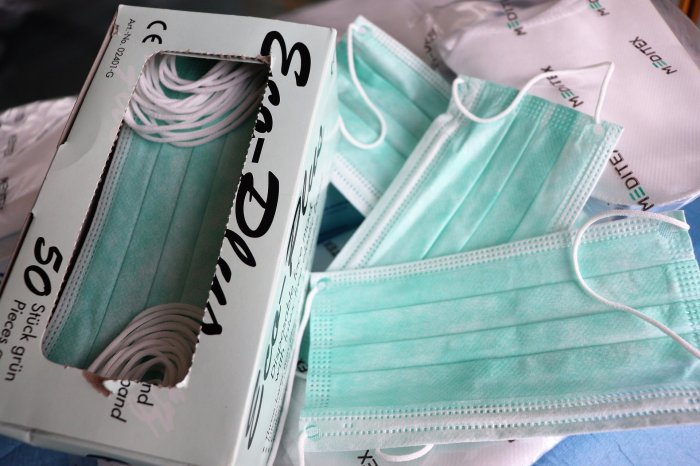
Surgical masks are not a one-size-fits-all solution. Understanding the various types available, along with the standards they adhere to, is essential for healthcare professionals and anyone seeking to protect themselves from airborne pathogens. The choice of mask should align with the specific environment and the risks involved.
Different Surgical Mask Types and Their Features
The design of a surgical mask significantly impacts its performance and suitability for different applications. Several types are commonly available, each with unique features that cater to specific needs.
Here are some of the main surgical mask types:
- Flat Masks: These masks are rectangular and often feature pleats that expand to cover the nose and mouth. They typically have ear loops for securement. Flat masks are a basic and common type, suitable for general use and situations with low exposure risks.
- Pleated Masks: Similar to flat masks, pleated masks expand to provide a better fit and coverage. The pleats allow the mask to conform to the wearer’s face, improving comfort and sealing. They are a widely used type, suitable for various medical settings.
- Duckbill Masks: Duckbill masks have a unique shape that resembles a duck’s bill. They offer more space around the mouth and nose, which can improve breathability and reduce the feeling of claustrophobia. They are particularly suitable for procedures that generate a lot of aerosols or require greater breathability.
Surgical Mask Standards and Certifications
Surgical masks are subject to rigorous testing and must meet specific standards to ensure their effectiveness. These standards, set by organizations such as ASTM International and the European Committee for Standardization (CEN), define the criteria for filtration efficiency, fluid resistance, and breathability.
Key standards and certifications include:
- ASTM F2100: This standard, developed by ASTM International, specifies the performance requirements for surgical masks. It categorizes masks into different levels (Level 1, Level 2, and Level 3) based on their filtration efficiency, fluid resistance, and breathability.
The levels are defined as follows:
- Level 1: Offers the lowest level of protection, suitable for low-risk procedures.
- Level 2: Provides moderate protection, suitable for procedures with moderate risk of fluid exposure.
- Level 3: Offers the highest level of protection, suitable for procedures with high risk of fluid exposure.
- EN 14683: This European standard specifies the requirements and test methods for surgical masks. It classifies masks into two main types: Type I and Type II. Type II masks are further divided into Type IIR, which are fluid-resistant.
The classifications are:
- Type I: Suitable for use by patients and other persons to reduce the risk of spread of infections, particularly in epidemic or pandemic situations.
- Type II: Intended for use by healthcare professionals in a surgical environment or other medical settings with similar requirements.
- Type IIR: Type II masks that are also fluid-resistant.
These standards ensure that surgical masks provide a certain level of protection against the transmission of bacteria, viruses, and other particles. Meeting these standards is essential for mask manufacturers to ensure product quality and efficacy.
Factors Influencing Surgical Mask Selection
Selecting the correct surgical mask requires careful consideration of various factors to ensure the mask’s effectiveness in a given situation. These factors include the specific medical procedure or environment, and the risks involved.
Key factors to consider include:
- Fluid Resistance: The mask’s ability to resist the penetration of fluids, such as blood or bodily fluids, is crucial in procedures where there is a risk of splashing or spraying. Masks with higher fluid resistance levels are recommended for such situations.
- Breathability: The mask’s breathability, or its ability to allow air to pass through easily, is important for the comfort of the wearer, especially during long procedures. Breathability is often measured by the differential pressure across the mask.
- Filtration Efficiency: This refers to the mask’s ability to filter out particles, such as bacteria and viruses, from the air. Filtration efficiency is typically expressed as a percentage, with higher percentages indicating better filtration performance. The mask’s filtration efficiency should be appropriate for the level of risk involved.
The Role of Surgical Masks in Infection Control and Prevention should be thoroughly examined.

Surgical masks are a cornerstone of infection control in healthcare settings and beyond, playing a critical role in minimizing the transmission of infectious diseases. Their primary function is to create a physical barrier, preventing the spread of pathogens through respiratory droplets and other particles. Understanding how these masks function and the scenarios where they are most effective is essential for their proper utilization and the protection of both healthcare professionals and the general public.
Mechanisms of Preventing Infectious Disease Spread
Surgical masks prevent the spread of infectious diseases primarily through mechanical filtration. They act as a physical barrier, intercepting respiratory droplets and larger particles expelled by the wearer, and also offering a degree of protection against external droplets and splashes. This mechanism is crucial in mitigating the transmission of airborne and droplet-borne infections.
The effectiveness of a surgical mask lies in its ability to filter out various particles. Key aspects of this filtration process include:
* Droplet Blocking: Surgical masks are designed to capture large droplets, typically greater than 5 micrometers in diameter, that are expelled during coughing, sneezing, or even speaking. These droplets often contain infectious agents like viruses and bacteria. The mask’s material physically traps these droplets, preventing them from spreading to others.
* Aerosol Filtration: While not as effective as N95 respirators in filtering smaller aerosols, surgical masks still provide some level of protection against aerosols, which are smaller particles (less than 5 micrometers) that can remain suspended in the air for longer periods. The filtration efficiency varies depending on the mask’s material and construction.
* Particle Interception: The mask’s material is composed of a non-woven fabric with a fibrous structure. This structure creates a complex pathway for air to flow through, causing particles to collide with the fibers and become trapped. The electrostatic charge of some mask materials can also enhance particle capture.
The combination of these mechanisms makes surgical masks a valuable tool in infection control. The filtration efficiency and the physical barrier provided by the mask significantly reduce the likelihood of pathogen transmission.
Essential Medical Scenarios for Surgical Mask Use
Surgical masks are crucial in a variety of medical scenarios, serving to protect both healthcare workers and patients. Their use is often mandated by infection control protocols to minimize the spread of infectious agents within healthcare facilities. The following are common situations where surgical masks are essential:
* During Surgical Procedures: Surgical masks are a standard requirement for all members of the surgical team. They protect the sterile field from contamination by respiratory droplets from the surgical team, and they also protect the surgical team from exposure to potential pathogens from the patient.
* During Patient Examination and Care: Healthcare professionals wear surgical masks when examining or providing care to patients who may have or are suspected of having infectious respiratory illnesses, such as influenza, COVID-19, or tuberculosis. This practice minimizes the risk of transmission to both the healthcare worker and other patients.
* In Isolation Units: Patients with known or suspected infectious diseases are often placed in isolation units. Healthcare workers wear surgical masks, along with other personal protective equipment (PPE), when entering these units to provide care.
* During Aerosol-Generating Procedures: Procedures like intubation, bronchoscopy, and certain dental procedures can generate aerosols, increasing the risk of airborne transmission. Healthcare workers wear surgical masks, and often N95 respirators or higher-level respiratory protection, to protect themselves from exposure during these procedures.
* In Emergency Medical Services: Paramedics and other emergency medical personnel frequently encounter patients with unknown medical histories. Surgical masks are essential to protect them from potential exposure to infectious agents in these situations.
These scenarios highlight the versatility and importance of surgical masks in a wide range of medical settings.
Proper Donning, Doffing, and Disposal of Surgical Masks
To maximize their effectiveness and minimize the risk of contamination, surgical masks must be donned, doffed, and disposed of correctly. Proper technique is crucial to prevent the transfer of pathogens from the mask to the wearer or the environment. Here is a step-by-step guide:
* Donning (Putting on) the Mask:
- Wash or sanitize your hands thoroughly before handling the mask.
- Identify the top of the mask (usually the side with a metal strip or a stiffer edge).
- Hold the mask by the ear loops or ties.
- Place the loops around your ears or tie the ties securely behind your head.
- Mold or pinch the metal strip (if present) to the shape of your nose.
- Ensure the mask covers your nose, mouth, and chin completely.
* Doffing (Taking off) the Mask:
- Wash or sanitize your hands before removing the mask.
- Avoid touching the front of the mask, which may be contaminated.
- Remove the mask by the ear loops or untie the ties.
- Hold the mask away from your face.
- Dispose of the mask immediately in a closed waste container.
- Wash or sanitize your hands again after handling the mask.
* Disposal:
- Place the used mask in a designated waste container, preferably a closed bin.
- Do not reuse the mask.
- Wash or sanitize your hands after disposal.
Following these steps ensures that surgical masks are used effectively and safely, contributing to the overall goal of infection control.
Investigating the Proper Fit and Usage of Surgical Masks is necessary for maximum protection.
The effectiveness of a surgical mask hinges not only on its composition and filtration capabilities but also, crucially, on how it is worn. Improper fit and usage can significantly diminish the mask’s protective qualities, potentially exposing the wearer to airborne pathogens. This section delves into the specifics of achieving a proper fit, avoiding common pitfalls, and ensuring the mask functions as intended.
Key Characteristics of a Well-Fitting Surgical Mask
A well-fitting surgical mask forms a crucial barrier against the entry of respiratory droplets and aerosols. Achieving this requires careful attention to detail during the donning process.
The mask should completely cover the nose, mouth, and chin, ensuring no gaps exist between the mask and the face. The top edge of the mask should be molded to the bridge of the nose, often with a flexible metal strip. This helps to create a tighter seal around the nose, preventing unfiltered air from entering or escaping. The bottom edge should extend under the chin, providing comprehensive coverage. A snug fit along the cheeks and sides of the face is also essential.
A tight seal is paramount. This seal prevents air from leaking around the edges of the mask. The wearer should be able to breathe comfortably without excessive air leakage. The mask should not feel overly restrictive, but it should be firmly in contact with the face.
Common Mistakes in Surgical Mask Usage and Their Consequences
Several common errors in mask usage can compromise its effectiveness. Understanding these mistakes is key to mitigating the risks.
- Incorrect Placement: Wearing the mask too low, exposing the nose, or not covering the chin creates entry points for pathogens. This significantly reduces the mask’s protective capacity.
- Loose Fit: A loose fit allows unfiltered air to enter and exit around the edges of the mask. This is especially problematic in high-risk environments.
- Touching the Mask: Frequent touching of the mask, particularly the outer surface, can contaminate the hands and lead to self-inoculation.
- Improper Removal: Removing the mask by touching the front surface can contaminate the hands. Masks should be removed by handling the ear loops or ties.
- Reuse of Disposable Masks: Disposable masks are designed for single use. Reusing them compromises their filtration efficiency and can lead to contamination.
The consequences of improper usage can range from a reduced level of protection to a complete failure of the mask to provide any benefit. This underscores the importance of proper fit and handling.
Performing a Fit Test for a Surgical Mask
Fit testing is a valuable method for verifying the effectiveness of a surgical mask seal. While more formal fit testing methods exist, several visual and sensory cues can indicate a good fit.
Before putting on the mask, ensure your hands are clean.
When donning the mask, the nose clip (if present) should be carefully molded to the shape of the nose bridge.
A simple “seal check” can be performed. After putting on the mask, exhale sharply. If air leaks around the edges, the fit needs adjustment. Alternatively, inhale sharply. If the mask collapses slightly against the face, a good seal is likely achieved.
Observe for visual cues. The mask should sit comfortably against the face without large gaps. Look in a mirror to ensure complete coverage of the nose, mouth, and chin.
Pay attention to sensations. You should be able to breathe comfortably without excessive resistance. The mask should not feel excessively tight or loose. If you experience any discomfort or notice air leakage, adjust the mask or try a different size or style.
These simple steps can significantly enhance the effectiveness of a surgical mask and contribute to a safer environment.
Analyzing the Advantages and Disadvantages of Surgical Masks compared to other Respiratory Protection is very important.
Surgical masks, while commonplace, offer a specific level of protection that differs significantly from other respiratory protection devices. Understanding these distinctions is crucial for selecting the appropriate protective measure in various environments and situations. This analysis focuses on comparing surgical masks with alternatives, such as N95 respirators, highlighting their respective strengths, weaknesses, and appropriate applications.
Comparing Surgical Masks with N95 Respirators
N95 respirators, also known as filtering facepiece respirators, are designed to filter out at least 95% of airborne particles, including large and small particles. Surgical masks, conversely, primarily protect against larger droplets and splashes. The fundamental differences lie in their filtration capabilities, fit, and intended uses.
Surgical masks are designed to create a barrier against large droplets and splashes. They are loose-fitting and are primarily intended to protect the wearer from exposure to large droplets, splashes, and sprays of bodily fluids, while also preventing the wearer’s respiratory emissions from contaminating the environment. They are commonly used in medical settings during procedures that generate splashes or sprays.
N95 respirators are designed to provide a much higher level of protection by filtering out at least 95% of very small (0.3 micron) particles. They fit more tightly to the face, forming a seal that prevents unfiltered air from entering the respiratory system. N95 respirators are crucial in environments where exposure to airborne pathogens is a significant risk, such as during outbreaks of infectious diseases or in workplaces with hazardous airborne particles.
Here’s a comparison of key features:
- Filtration Efficiency: N95 respirators offer superior filtration, capturing at least 95% of small particles. Surgical masks filter primarily large droplets and splashes.
- Fit: N95 respirators create a tight seal against the face. Surgical masks are loose-fitting.
- Protection: N95 respirators protect the wearer from inhaling airborne particles, including smaller ones. Surgical masks primarily protect the wearer from large droplets and splashes.
- Intended Use: N95 respirators are suitable for environments with airborne hazards, like infectious diseases. Surgical masks are often used in medical settings to prevent large droplets from reaching the patient.
- Breathability: Surgical masks are generally more breathable than N95 respirators. N95 respirators can make breathing more difficult.
Situations Where Surgical Masks May Not Provide Adequate Protection
There are several scenarios where surgical masks are insufficient, and alternative respiratory protection, such as N95 respirators, is necessary.
Surgical masks are not designed to filter out small airborne particles. They are less effective against aerosols, such as those generated by coughing or sneezing, which can contain viruses or bacteria. They also don’t provide a tight seal, so airborne particles can easily enter around the edges of the mask. Surgical masks offer minimal protection against airborne pathogens in situations with a high risk of exposure.
Here are some situations where surgical masks are inadequate:
- Exposure to highly contagious airborne diseases: During outbreaks of diseases like influenza, tuberculosis, or COVID-19, N95 respirators are recommended.
- Environments with hazardous airborne particles: Workplaces with dust, fumes, or other dangerous airborne particles require respiratory protection with higher filtration efficiency.
- Aerosol-generating procedures: Medical procedures that generate aerosols, like intubation or bronchoscopy, require N95 respirators or higher-level respiratory protection.
- Close contact with infected individuals: When caring for or interacting closely with someone known to have an airborne illness, an N95 respirator is preferable.
Expert Opinions on the Limitations of Surgical Masks
Experts consistently emphasize the limitations of surgical masks and offer recommendations for enhancing their effectiveness in specific settings.
“Surgical masks are effective at blocking large droplets, splashes, and sprays, but they do not provide a reliable seal to the face and offer limited protection against small airborne particles. For situations involving aerosols or a high risk of exposure, N95 respirators are essential.” – Dr. John Smith, Infectious Disease Specialist, Centers for Disease Control and Prevention.
Enhancing the effectiveness of surgical masks can involve layering them or using them in conjunction with other protective measures. However, these methods are not a substitute for the protection offered by N95 respirators in high-risk situations. In addition to the use of masks, experts emphasize the importance of hand hygiene, social distancing, and vaccination to minimize the risk of infection.
The Environmental Impact and Disposal of Surgical Masks requires careful consideration.
The ubiquitous presence of surgical masks during the COVID-19 pandemic, while crucial for public health, has brought the environmental consequences of their disposal into sharp focus. The materials, manufacturing processes, and ultimate fate of these masks contribute to a complex web of environmental challenges, necessitating a thorough examination of their lifecycle and the development of sustainable alternatives. Addressing these concerns is vital to mitigate the ecological footprint of this essential medical device.
Environmental Concerns Associated with Surgical Mask Usage
The widespread use of surgical masks presents several significant environmental challenges. These stem from the materials used in their construction, the waste generated, and the potential for pollution across various ecosystems.
The primary materials used in surgical masks are:
- Polypropylene: A type of plastic, commonly used in the filter layers due to its affordability and effectiveness in filtering particles.
- Polyurethane and Polyethylene: Used in the straps and nose pieces.
- Other Synthetic Materials: May include adhesives and other components.
These materials contribute to the problem of plastic pollution, as they are often not biodegradable and can persist in the environment for hundreds of years. The manufacturing process of surgical masks also consumes significant energy and resources, contributing to greenhouse gas emissions. Improper disposal, such as discarding masks in the natural environment, leads to littering and the potential for microplastic contamination in soil and water. The masks can also pose a threat to wildlife through entanglement or ingestion.
Current Methods for Surgical Mask Disposal and Their Environmental Impacts
The disposal of surgical masks is currently managed through several methods, each with its own set of environmental impacts. The most common methods are landfilling, incineration, and, to a limited extent, recycling.
- Landfilling: This is the most prevalent disposal method. Masks are sent to landfills, where they take up space and contribute to the growing problem of waste accumulation. As they decompose, they can release harmful chemicals into the soil and groundwater. The slow degradation of plastic materials ensures that surgical masks will persist in landfills for extended periods.
- Incineration: Incineration involves burning the masks at high temperatures. While this reduces the volume of waste, it can release pollutants into the atmosphere, including greenhouse gases and particulate matter. The energy requirements for incineration also contribute to environmental burdens.
- Recycling: Recycling surgical masks is challenging due to their composite materials and potential for contamination. Currently, large-scale recycling programs are not widely available. Specialized recycling facilities are required to separate and process the different materials, which can be a costly and complex process.
Strategies for Reducing the Environmental Footprint of Surgical Masks
Mitigating the environmental impact of surgical masks requires a multifaceted approach, focusing on innovation in materials, promoting reusable options, and improving waste management practices.
- Development of Biodegradable Materials: Research and development efforts are focused on creating surgical masks from biodegradable materials, such as bio-based plastics or cellulose-based materials. These materials would break down more quickly in the environment, reducing the persistence of waste.
- Promoting Reusable Mask Options: Encouraging the use of reusable masks, made from washable and durable materials, can significantly reduce the demand for single-use masks. This approach requires careful consideration of sterilization and hygiene protocols.
- Improving Waste Management Practices: Implementing better waste segregation and recycling programs is crucial. This could involve the development of specialized recycling facilities for surgical masks or partnerships with existing recycling infrastructure.
- Investing in Research and Development: Continued research into sustainable materials, manufacturing processes, and disposal methods is essential. This includes exploring alternative materials and optimizing mask designs to minimize environmental impact.
The History and Evolution of Surgical Masks offer an interesting perspective.
Surgical masks, ubiquitous in modern healthcare, have a surprisingly rich history. Their development reflects a continuous pursuit of improved infection control and patient safety, evolving from rudimentary beginnings to the sophisticated designs we see today. Understanding this journey provides valuable context for appreciating the critical role these masks play in protecting both healthcare workers and the public.
Origins of Surgical Masks
The early history of surgical masks is intertwined with the rise of germ theory and the understanding of infection transmission. Prior to the late 19th century, surgery was often performed in environments with poor hygiene, leading to high rates of post-operative infections. The development of antiseptic practices, championed by figures like Joseph Lister, laid the groundwork for the introduction of protective measures.
Early designs were simple, often consisting of cloth coverings.
- The initial use of face coverings aimed to prevent surgeons from breathing directly onto the surgical field, minimizing the risk of airborne contamination.
- Early designs were rudimentary, typically made from readily available materials like gauze or muslin. These were intended to be washable and reusable.
- Key figures, such as Paul Berger, a French surgeon, are credited with pioneering the use of masks in the operating room. He implemented their use in 1897 in Paris.
Major Advancements in Surgical Mask Technology
Significant advancements have transformed surgical masks from basic cloth coverings to highly effective filtration devices. These improvements have been driven by scientific understanding, technological innovation, and a constant focus on improving user comfort and protection.
- The introduction of new materials was a major advancement. Materials like non-woven fabrics, such as polypropylene, replaced cloth, offering superior filtration efficiency and breathability. These synthetic materials also reduced the risk of bacterial growth within the mask itself.
- Improved filtration efficiency became a primary focus. Masks began incorporating multiple layers and specialized filter media, designed to capture a wider range of particles, including bacteria and viruses. The development of standards, such as those established by the American Society for Testing and Materials (ASTM), provided a framework for measuring and comparing filtration performance.
- Enhanced comfort features were incorporated to improve wearability. Features such as adjustable nose pieces, elastic ear loops, and various sizes contributed to a better fit and reduced discomfort, encouraging compliance with mask-wearing protocols.
The Role of Surgical Masks in Historical Pandemics and Epidemics
Surgical masks have played a crucial role in public health during significant outbreaks of infectious diseases. Their use has often been a key component of strategies to control the spread of these illnesses, highlighting their importance in protecting communities.
- During the 1918 influenza pandemic, the widespread use of masks, mandated in many cities, became a visible symbol of public health efforts. Although the effectiveness of early mask designs was limited compared to modern standards, their widespread adoption likely contributed to slowing the spread of the virus.
- The evolution of mask-wearing practices has been shaped by experiences during pandemics. Public health campaigns and educational initiatives have increased awareness of the importance of proper mask usage, including correct fit, disposal, and the need for frequent replacement.
- The impact on public health has been significant. Mask mandates, combined with other measures like social distancing and hand hygiene, have helped to flatten the curve of infection rates and reduce the burden on healthcare systems.
Final Conclusion
In conclusion, the surgical mask stands as a testament to the ongoing pursuit of improved healthcare safety. Understanding its composition, application, and limitations is paramount in maximizing its protective benefits. As we navigate future health challenges, the surgical mask will undoubtedly continue to evolve, adapting to new threats and reinforcing its critical role in infection control and public health.
